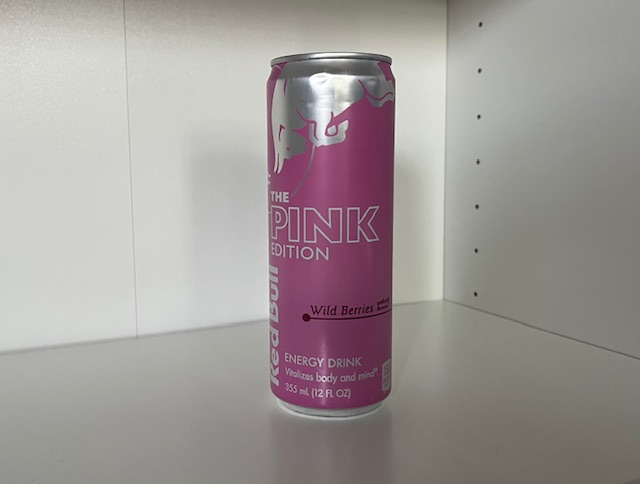
It seems like in nearly every class, there is at least one student drinking an energy drink. Everywhere you look, there is a Monster or a Celsius or a Redbull in a bright aluminum can, waiting to be drunk by an adolescent running off three hours of sleep.
Students have begun to see additions in daily Viking Time slides in recent weeks advertising the dangers of energy drinks and advising minimal consumption, despite the school having previously sold coffee and energy drinks to the student body.
In many ways, it’s genius. Schools can tell students not to drink energy drinks, but if they are going to be buying them anyway, the school might as well make money from it.
This inconsistent stance presented to teens leaves many wondering: are energy drinks actually bad for them, or is it all overblown?
Well, the answer is complicated, and medical professionals say that it depends. Although having a single energy drink once in a while won’t majorly impact a teenager’s health, they can be addictive, and drinking too many too often could have serious medical repercussions like diabetes or heart disease.
“Personally, I would never have one,” Valley’s primary school nurse, Mary Ellen Foulkes said. “They have horrible implications for heart and digestive health, and can even cause cardiac arrest in children and adults.”
Many parents are also adverse to energy drinks because students stay up too late or operate on caffeine-induced highs before they crash later in the day. This schedule can be especially disruptive for athletes or students with busy schedules.
However, it is worth noting that teens may reach for energy drinks out of desperation, feeling as though they are the only thing that could keep them awake throughout the day after receiving little to no sleep, or working late on homework or at a job.
“My parents don’t like me having Monsters because they have too much caffeine, but they drink, like, five cups of coffee a day,” freshman Victoria Vogt said. “I don’t see the issue with drinking them every now and then if you’re not addicted.”
Most mainstream energy drink brands contain less caffeine per ounce than brewed coffee, and similar total caffeine intake to sodas with larger serving sizes.
Despite this, there are much fewer alarms raised about young people consuming caffeine in those forms. Foulkes says this is because coffee has less synthetic substances than energy drinks, and therefore is less dangerous.
Teachers also raise concerns about energy drinks, as they doubt student attention spans and participation levels while they are drinking energy drinks.
“My homeroom teacher is dead set on always showing the anti-caffeine slides, and even tells us to put away our energy drinks,” sophomore Julianna Lisica said. “It’s obviously a lot more of an issue for them than for us.”
Although Generation Z makes 60% of energy drink purchases made in the U.S., this can be explained by many factors like the stress of events during teenage and early adult years, such as college or beginning jobs.
82% of Americans consume at least one caffeinated beverage, which shows the transition from energy drinks to coffee or tea, both of which are more popular among older adults and seniors.
Although energy drinks have both positives and negatives in consumption, the choice and responsibility belongs to the drinker.