

Shortly after opening Oct. 20, the Louvre art museum in Paris was robbed of over $100 million in jewels.
Among the pieces were historically and culturally significant French jewelry works ranging from tiaras to earrings.
It is to be assumed that the jewels themselves will be removed from their ornate mantles and prongs, and they will be sold separately under the table, likely on illegal markets.
Now, jewelry is typically not considered a form of art, but the heist at the most prominent art museum in the world has shed a new level of interest on art heists as a whole.
From the robbery of the Mona Lisa in 1911 to the Nazi looting of Europe in the 1940s, thievery of works of art has captivated the public as both a tragedy and form of entertainment.
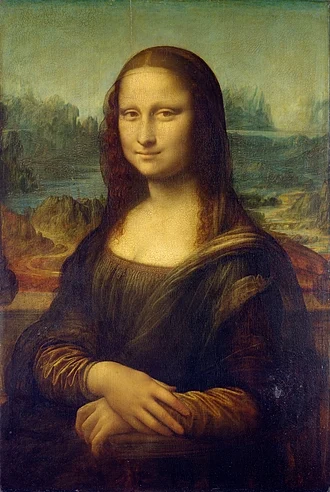
As long as there has been art, there have been people willing to steal art. These heists have inspired pop culture and cinema going back decades, and even centuries. Yet, despite the romanticism, only 10% of stolen art is ever recovered, and most looted pieces are lost to time, never to be appreciated by enthusiasts ever again.
There are many notable instances of art heists in history, and one of the most well known is the theft of Edvard Munch’s “The Scream” in 1994.
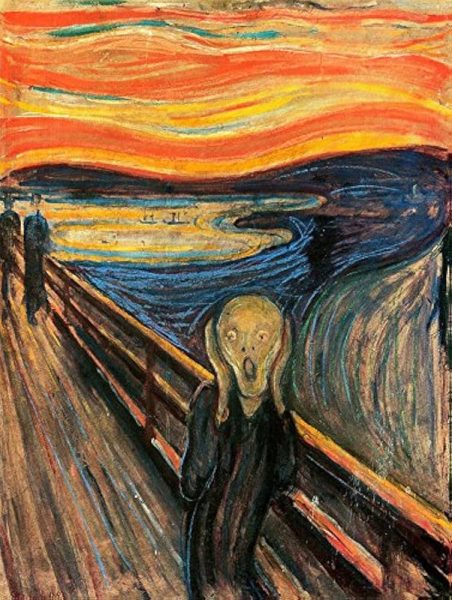
It took a thief no more than 50 seconds to steal the famous painting that was hung in the Norwegian National Gallery, and the heist occurred on the same day the 1994 Winter Olympic Games had begun in Lillehammer, Norway, which was only a short drive away.
“The Scream” was eventually found by undercover British detectives and returned to the museum from which it was taken.
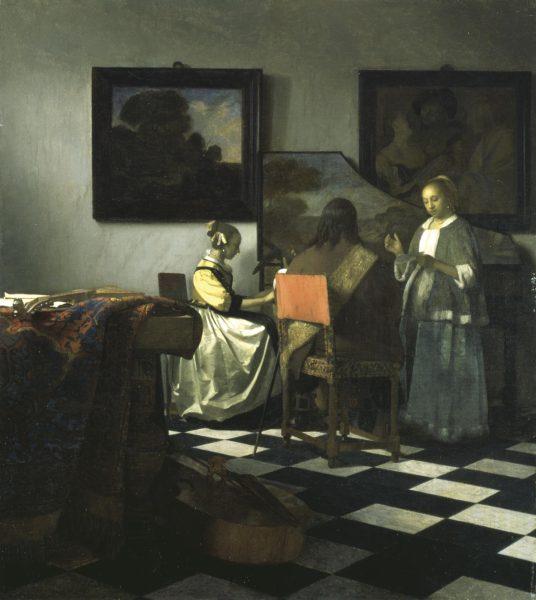
The highest-value art heist in history occurred at the Isabella Stewart Gardner Museum in Boston, Massachusetts. At this particular heist, 2 thieves stole an estimated $500 million in art.
The majority of the 13 pieces were paintings, including Vermeer’s “The Concert,” estimated to be the single most expensive painting ever stolen.
The work was never found or returned since its disappearance in 1990, and to this day, the frames of the paintings hang empty on the walls of the museum.
Additionally, there are many instances of works being stolen numerous times. Van Gogh’s “Poppy Flowers” was initially stolen in 1977, but was recovered a decade later and returned to the museum it was housed in.
However, it only made it to 2010, when it was stolen for a second time. There is currently a $175,000 reward for anyone able to locate the painting, yet it has not been found since then.

Although seemingly entertaining, all of these instances of stolen art show how the public eventually stopped viewing art as what it is and now sees it simply as a form of currency or a commodity to be ransomed for.
Somehow, our consumerist society has even encroached upon the protected and havenous spaces of the arts. And that is a tragedy far greater than a few stolen canvases.
Thanks for reading and come back soon for the next installment of my art blog, where I talk about all things art, such as art history, impact and review.