The LCPS School Board has opted to review the student device policy in light of the Virginia statewide “Bell to Bell ” law.
The “Bell to Bell” law was passed in April of 2025, and came into effect on Jul. 1. All Virginia public schools are required to enforce the law in some way, and LCPS is now considering their actions.
The school board aims to have a decision made on any new policy at the Dec. 16 meeting, and any changes to the policy would begin being implemented on Jan. 5, after students come back to school after winter break.
The new policy, if implemented, would ensure students have no access to their phones at all during school hours. Essentially, phones go away before the first bell and aren’t given back until after the final bell. This means that students would no longer have access to their phones during lunch, study hall or between classes.
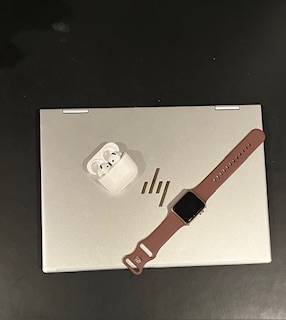
In addition to the lockdown on phones, almost all personal technology will be banned from the classroom. This includes personal computers like MacBooks, as well as headphones and smartwatches.
Pros
There are numerous reasons why many people support the new policy, such as the equity in technology that would follow, as well as the lack of distractions.
“[I’m] strongly in favor of restricting device usage during school,” a commentator said on Thoughtexchange. The forum was created to gauge public opinion in reference to phones and personal devices. “Smart devices distract students from learning and inhibit socialization.”
Many parents and educators share this opinion, and do not see any necessity in students keeping devices on their person during school.
Additionally, the state believes that all students being obligated to use the same technology creates a greater sense of equity among the student body. Students being permitted to utilize private technology, especially computers, can give an advantage to students from families that can afford such technology. But this new policy would limit this advantage.
Further, restricting technology use also restricts social media usage. A student with a personal computer could log into TikTok or Instagram at any moment during instructional time, because personal devices cannot be monitored by Lightspeed, the surveillance tool used by instructors across LCPS.
“I like the idea of having restrictions to personal devices to minimize distractions during class,” another commenter on the Thoughtexchange said. “Limiting social media platforms is a good idea.”
Cons
The Chromebooks issued by LCPS are notoriously not the strongest devices. Many students have reported them crashing after opening only a few tabs. If students were barred from using personal computers, the LCPS provided devices might begin to have more malfunctions.
“It would bring in more users with problems,” Kile Hollingsworth, a tech support specialist at Valley, said.
The general consensus from students varies drastically from the consensus from parents and school administrators, and many students are not in favor of this legislation because of concerns over technological disconnect and safety concerns.
School shootings have been on the rise by unprecedented amounts in the past two decades following the Columbine High School massacre in 1999. Students in the 21st century experience a level of fear drastically heightened from what their teachers know.
This fear leads to a push for students to have access to their phones during the school day, in the event of an emergency. With the current technology policy, students are in the same room as personal devices at all times, and could theoretically use them if necessary, despite the risk of them being a distraction or hazard in an emergency. However, depending on how it is implemented, the new policy would take away this access.
“I really don’t think that they’ll go through with it,” junior Lorelai Oechslein said. “Or, at least I hope they won’t.”