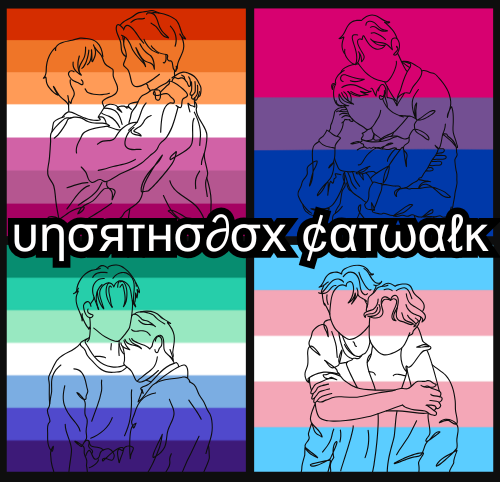

As social media gains more users every day, and more artists are finding an audience in the digital world, artists can’t help but wonder how this has impacted their community.
Having access to art through technology, without having to go through the hassle or cost of museums, has brought more people into the community of artists. But it comes with the cost of art that is oversimplified.
Artists make attempts to appeal to greater numbers of people through displaying their art online, yet in order to go viral, art often has to be palatable and easily understood. This takes away the intrigue of complex art and oversimplifying work that is not meant to be reduced in any way.
A large part of the reason why art has been reduced so much because of social media is our increasingly shorter attention spans. Now, in order to find an audience online, art must quickly captivate its viewer, leaving little room for complex thought. More and more pieces are produced simply because of aesthetics rather than to leave an impression on the person consuming them.
Further, the digital age’s influence on art has evolved to decrease our creativity levels. Art produced by artificial intelligence is growing in demand at the cost of real artists’ careers. AI does this all while destroying the environment with its alarmingly high costs of use.
Even without AI, art has decreased in quality and mass produced as it has gained a greater online presence. Digital tools are being used more often in the creation of artwork. These do not entirely discredit the artist, but undeniably make art much easier to create, eliminating the need for the effort that went into renowned and classic works.
However, these downsides to social media’s impact on art do not come without their positive aspects. On social media, artists are more diverse and represent growing, more creative artistic fields. Art has also gradually become more accessible to the average consumer, despite it previously being known as only for the upper class to enjoy.
Social media has also played a role in launching the careers of artists who had previously faced rejection from the heavily competitive industry. Artists can now support themselves in non-traditional ways, such as with their popularity on social media.
Although social media may have benefits to the art world and the careers of artists, it is an currently unchecked danger to everything that gives art its uniqueness, and only degrades art in its truest form. Social media has potential to be used as a tool for the betterment of art, yet is negligently used for the wrong purposes at the current moment.