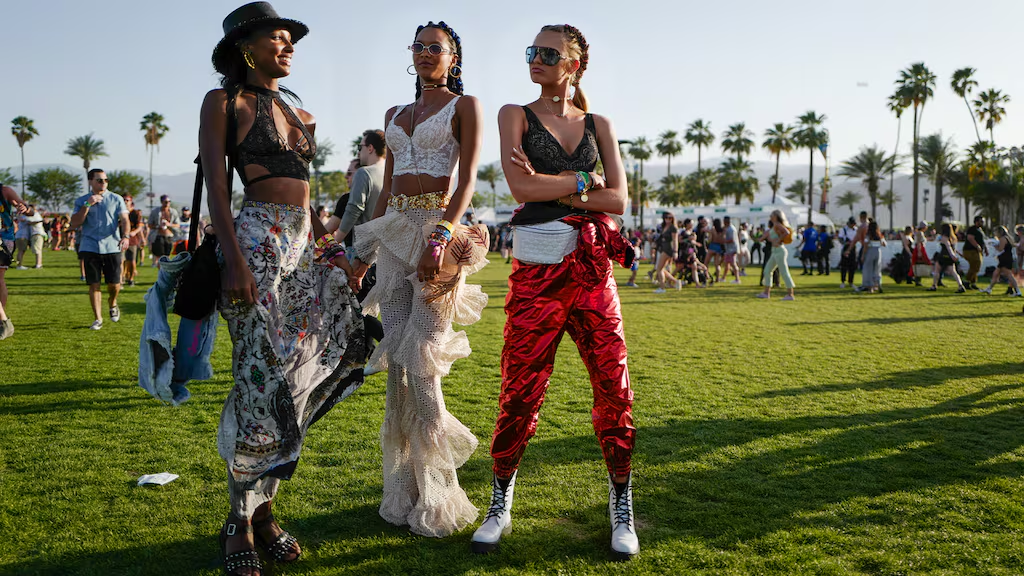
Everyone has their own image of Coachella. Many picture the peak Coachella years of the 2010s, with indie-rock lovers decked out in flower crowns and boho skirts, back when Vanessa Hudgens was the “Queen of Coachella.”
Back then, Coachella still felt like a music festival instead of the influencer Olympics it has morphed into today. But the festival has lost its authenticity and fails to live up to the nostalgia of the 2010s.
The most obvious answer to this development is the increasing concentration of TikTok and Instagram influencers, roaming the desert with their phones fused to their hands. Coachella has become less about seeing what your favorite celebrities (Gigi Hadid, Selena Gomez, Kendall Jenner) are wearing and more about scrolling through hundreds of mind-numbingly similar influencer fashions.
Apparently, 2026 is the new 2016, so influencers are grasping at straws to appeal to their viewers’ nostalgia. The more they attempt to replicate the accomplishments of festival goers past, the more underwhelming their outfits feel.
Coachella is meant to be a once-in-a-lifetime excuse to dress up in the most outrageous, untraditional, extravagant clothing possible. When attendees worry about following current trends, the fashion loses its novelty and surprise factor.
Pricing changes have been detrimental to the accessibility of the festival. This year, many influencers have posted videos breaking down what it really costs to go to the festival. A General Admission ticket for one weekend typically costs around $600. Factoring in what it costs to attend a two-hour concert today, that might not seem that bad for three days. But that’s only for entrance to the festival.
Guests pay extra hundreds to thousands of dollars on lodging or camping, food and transportation. Local hotels and Airbnbs are known to upcharge to thousands of dollars a night, knowing that they will get good business during Coachella weekend.
And that’s only for the average festivalgoer. VIP tickets cost over $1,000 for the weekend, and Artist Passes (the backstage passes all the A-list attendees have) cost thousands. Although many influencers go to the festival with a brand that pays for their trip, for those who don’t, the prices are outrageous.
In 2016, the General Admission ticket cost $375, almost half of today’s price. In 2010, it was about $270. As prices have drastically increased in the past decade, the festival has felt less like a place where regular people can connect over their shared love of music and more like a commercialized, elitist event full of branding and advertisements.
The advent of livestreaming the festival on YouTube has amplified Coachella’s newfound commercialized vibe. The experience feels less authentic for the actual attendees because they know anyone anywhere in the world can watch the performances live from the comfort of their home. Also, the broadcasting of the event online further highlights the wealth gap between the regular person and a Coachella influencer. Coachella influencers’ TikTok comments flood with remarks like “Watching from District 12” and “We can’t even afford groceries.”
This year, Coachella’s tone came off as being tone deaf to many Americans’ current economic crises, juxtaposed on a nationwide background of soaring gas and grocery prices. Instead of being an experience of meeting new people and sharing music, the event has turned into a not-so-subtle reminder of the wealth gap in America.