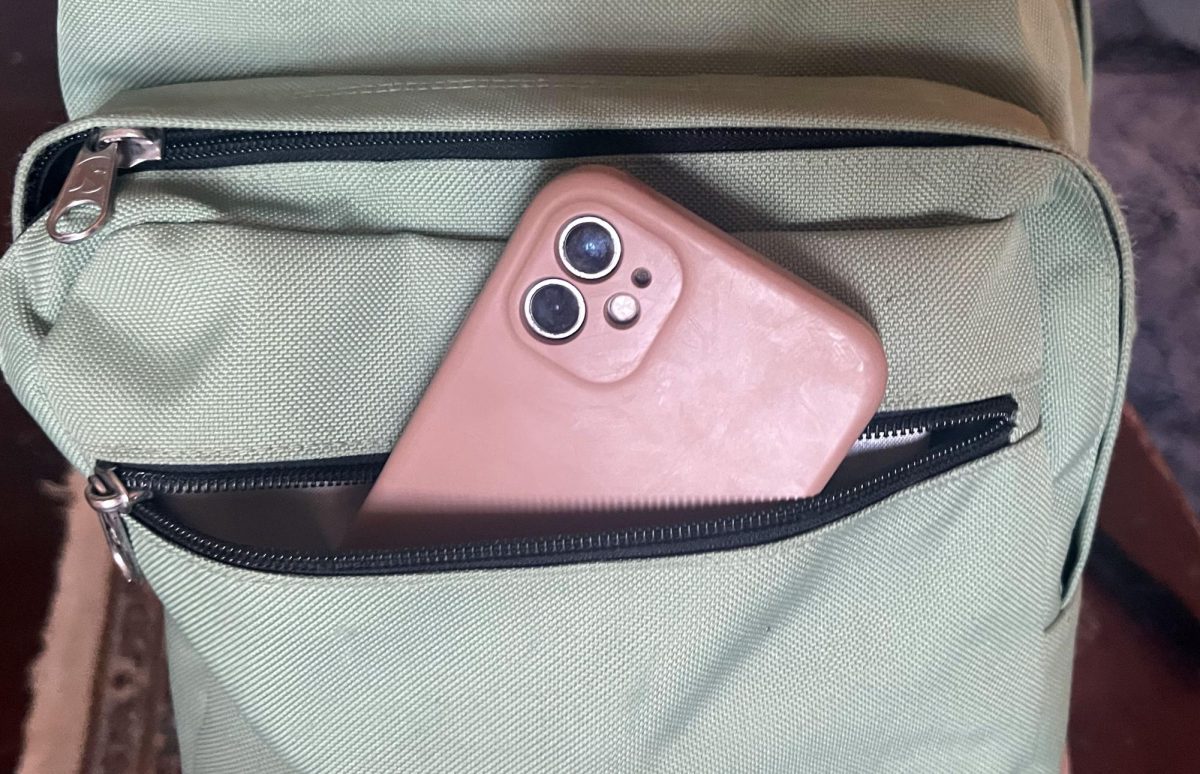
After the LCPS voted yes on a bell-to-bell personal device ban, Valley began to implement it after winter break. The policy bans all personal devices (including cellphones, smartwatches, bluetooth headphones and personal computers) for the entire school day. Previously, phones were allowed during passing time, lunch and study hall. All these times are now off limits.
There is a mix of strong support and strong dislike for the policy. Some students argue that there is no reason for cellphones to be banned during non-instructional time. Some also assert that banning headphones is harmful to learning, as many students use music to focus on their work.
However, there is a solid base of support for the phone ban, particularly from the staff. Worries for the impact of electronics, and especially social media, on students have led some to support further restrictions on these devices.
Even with the previous phone policy, where students put their phones in caddies during instructional time, some teachers became frustrated with continued usage of cellphones during instructional time. The new policy may satisfy teachers upset with the limits of the previous policy.
“I personally like it because there’s a clear understanding across every classroom that phones are to be away,” business teacher Tarik Joyner said. “So students do seem to be more focused and attentive for instruction.”
Although some teachers support the ban, not all students feel quite the same way, with some believing it actually hinders efficiency in the classroom and leads to more distractions overall.
“People are just finding different ways to get around the phone rule because we’ve gotten used to our old way and it’s hard to change it,” junior Azel McConnell said. “There was a time and a place to use your phone, and so you could just save that text message. You could save that phone call for lunch or study hall or something like that, instead of trying to sneak in the middle of class.”
Some students argue that the new phone policy actually makes it easier for students to use it during instructional time.
“A lot of people kind of ignored it,” McConnell said. “I have seen a lot of students sneaking [their phones] in their laps or behind their Chromebooks.”
Still, some students argue that there is no difference between the new and old policy.
“It’s honestly the same,” junior Anuja Mallampalli said. “We already had to put them away, so I feel like nothing changed.”
The new phone policy has sparked mixed reactions from staff and students. Some people support the policy. However, many staff members and students dislike the ban. Some believe the policy is ineffective, others argue that it’s more effective than the old policy. The ban has made clearer expectations for teachers.
“But for many students, it feels less like a solution or like a restriction that doesn’t actually address the real issue,” sophomore Isabella Stubbs said.