LCPS is set to review the new “bell-to-bell” phone policy, and the School Board will vote on it Tuesday, Dec. 16. The state of Virginia mandated this ban, which took effect in July. Now it’s time for LCPS to decide whether or not to implement it, risking losing funding from the state if they don’t comply.
The new policy would completely ban phone usage for the entire school day. This would replace the current phone policy we have had since 2023, under which students are allowed to use their phones during study hall, lunch and class transitions. If approved, the new policy would make even those non-instructional times off limits.
The goal of the ban is to “reduce distractions,” but to many students, it feels like it doesn’t acknowledge how most students actually use their personal devices during the school day.
According to the new policy, students must put away their phones the moment school starts until the final bell dismisses us. The ban intends to improve focus, limit social media and regulate phone usage.
While these concerns are real, the current phone policy already restricts phone usage completely during instructional time. Most students follow these rules and only use their phones during the allowed and appropriate times.
By removing all access, the policy shifts reasonable boundaries to total restriction. This raises questions about fairness, effectiveness and if this actually solves the phone issue.
What we have now works well and solves the issue as much as possible. When students are allowed to use their phones, they use them responsibly.
While there are always some students who evade the policy through use of burner phones or simply not putting their phone in the pockets, these deviations from following the policy will not be solved with the bell-to-bell ban. Every opportunity to get around it will still exist to students looking to disobey the policy.
Our current rules solve what the real issue is: the misuse of phones, not the existence of them.
High school is all about preparing students to enter the real world and the workforce. By creating these restrictions, the state creates an environment completely different than students will experience after graduation, setting the stage for a rough transition out of high school.
Instead of villainizing phones, the state and school system must recognize that students don’t only use phones for social media and games.
They are actively facilitating learning for students, particularly for the purpose of creating the possibility of more individualized learning.
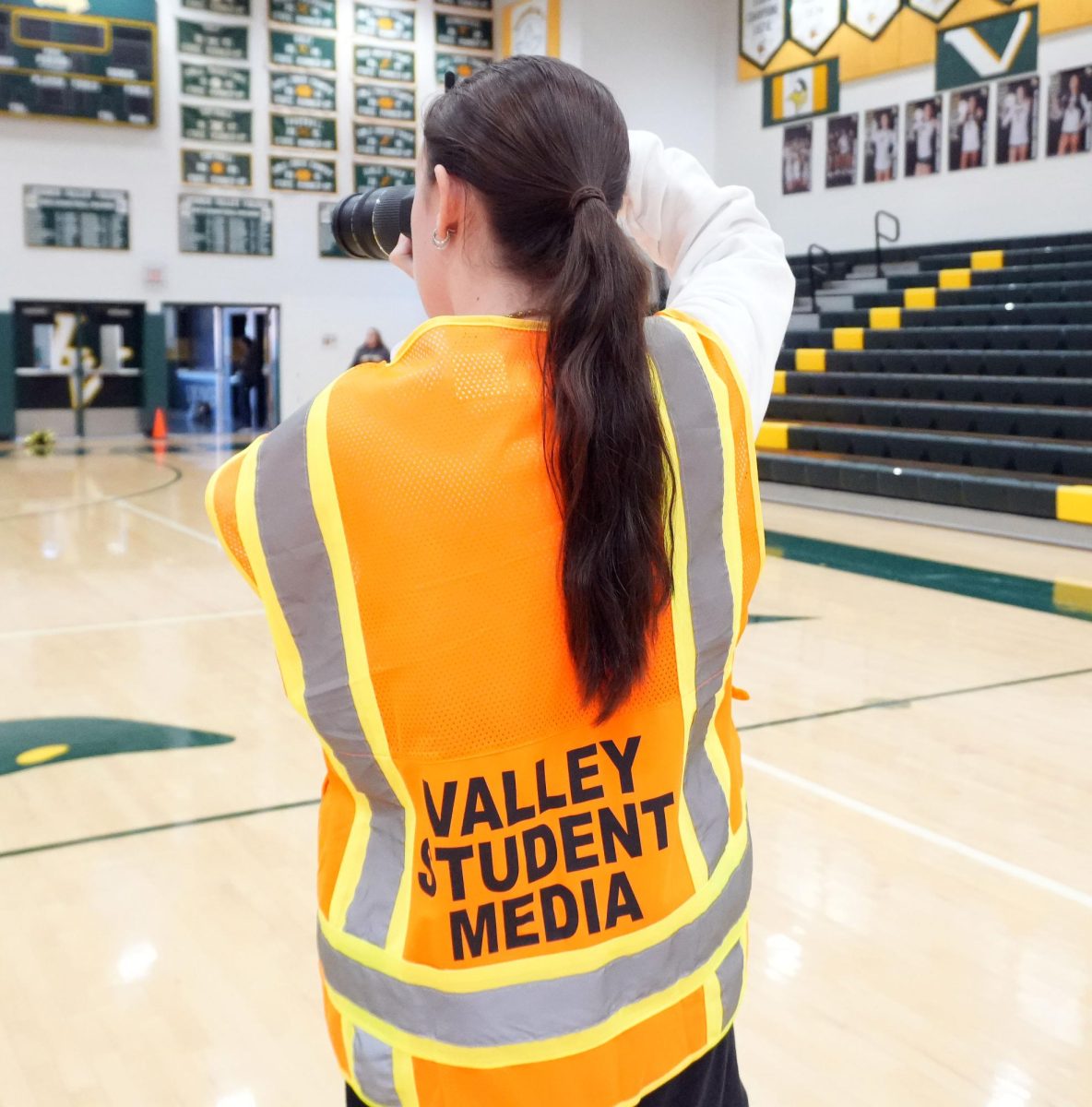
In journalism, we use our phones all the time to amplify our learning and better our productivity.
They are vital to communicating with staff members and sources, recording interviews, posting on the newspaper’s social media and taking photos for our publications.
Instead of banning phones, the state should create a policy that empowers students to use technology to improve their educational experiences.
Additionally, the time phones are currently allowed to be used (passing times, lunch and study hall) are not periods of academic instruction, therefore have no reason to be completely phone-free.
These are safe and reasonable times for students to take a break and use their phone to help reset their mental states during the often stressful school day, whether it’s by calling a parent or playing a quick game.
The state further harms student mental states by severing student communication with their families.
Upperclassmen drive their younger siblings to and from school, and plans can quickly change, especially with students busy with extracurriculars.
It’s not uncommon for two students to go the whole day without passing each other in the halls, so it’s vital to these transportation discussions that siblings are able to text and call during the school day.
Additionally, there is always the concern of family emergencies, or the need for communication with families who are dealing with an ill parent.
While the school system says parents may direct these communications to the main offices, this will likely be more disruptive to students who may need to communicate with their parents multiple times a day.
It’s more disruptive to remove students from class to the main office 10 or more times a day than to send a simple text during passing time.
Also, directing communication through the office poses privacy issues. Many families aren’t comfortable with sharing the details of their message to their child, especially when relating to a family emergency.
An additional pitfall of the new phone policy is the negative effects it will have on student mental health. Many students rely on applications on their phone to help manage their mental health during the school day.
Allowing phones during breaks gives students the opportunity to unwind from the stressful day.
By taking them away and harming mental health, student engagement during instructional time will likely suffer because they haven’t been able to relax in between classes.
The phone ban truly affects the lives of the student body, and finding a way where both administration and students are happy is imperative to continue healthy campus life.
Instead of implementing a new, potentially harmful policy, it’s important to look at other options before going to the extreme.
Right now, what the district is doing seems to be working. Additionally, the current phone policy can always be further reinforced through extra compliance measures.
It is much more complicated to conceal a phone when teachers call names out by taking attendance with the number-name caddy system.
Although there are students who circumvent this system with burner phones or saying “they just don’t have one,” all these problems will still exist with the new policy. It gets to the point where there will be no state or district policy that will solve this problem without banning Virginia children from having phones entirely—which isn’t feasible.
Enforcing these extra rules and letting students keep phones in non-academic blocks would pose a win-win alternative to students and teachers by encouraging policy compliance without going to an extreme where students will feel more inclined to bypass the policy.
Another option would be to implement stricter consequences when teachers catch somebody using a phone at an inappropriate time. This could mean threatening ISR or lunch detentions.
It’s important to find a middle ground where both parties (teachers and students) feel respected, heard and safe.
Overall, students deserve a voice in the argument. If we are the ones being affected by it, don’t we deserve to be a part of the conversation?
The tension between students, parents and administrators is only increasing.
If parents and students feel uncomfortable sending their children to school and/or children feel uncomfortable at school, the administration should work with parents and students to create a plan.
This ban will take away freedoms and provoke fear. LCPS must understand this perspective, or at least try to. Students deserve a say in this conversation, as the new policy will drastically affect our lives.
Students should keep looking for solutions, and we will. Going to school council meetings and spreading awareness is already helping.
Initiating a change requires action, and uniting together as a school is crucial.
Fighting the ban isn’t the goal, but proposing new alternatives and defending the lives of all students at Valley and how the phone ban will affect them is.